A serious bicycle crash can leave you hurt, shaken, and unsure what comes next. When a driver’s mistake causes that harm, working with a San Francisco bicycle accident lawyer helps protect your interests and gives you a steady advocate during a stressful time.
Harris Personal Injury Lawyers supports injured cyclists and families after preventable collisions. We offer clear guidance and a free consultation for anyone ready to talk through their options.
Key Takeaways: Bicycle Accidents in SF
- California law gives cyclists many of the same rights and duties as drivers, including lane use and right-of-way rules.
- Evidence such as photos, witness accounts, and traffic video often shapes fault decisions after a crash.
- Insurance companies often push quick resolutions that favor their bottom line, not your recovery.
- Strict deadlines apply to injury and wrongful death claims, with even shorter notice rules for government-related cases.
- Early medical care and careful documentation strengthen a claim and support long-term recovery.
Understanding Bicycle Accidents in San Francisco
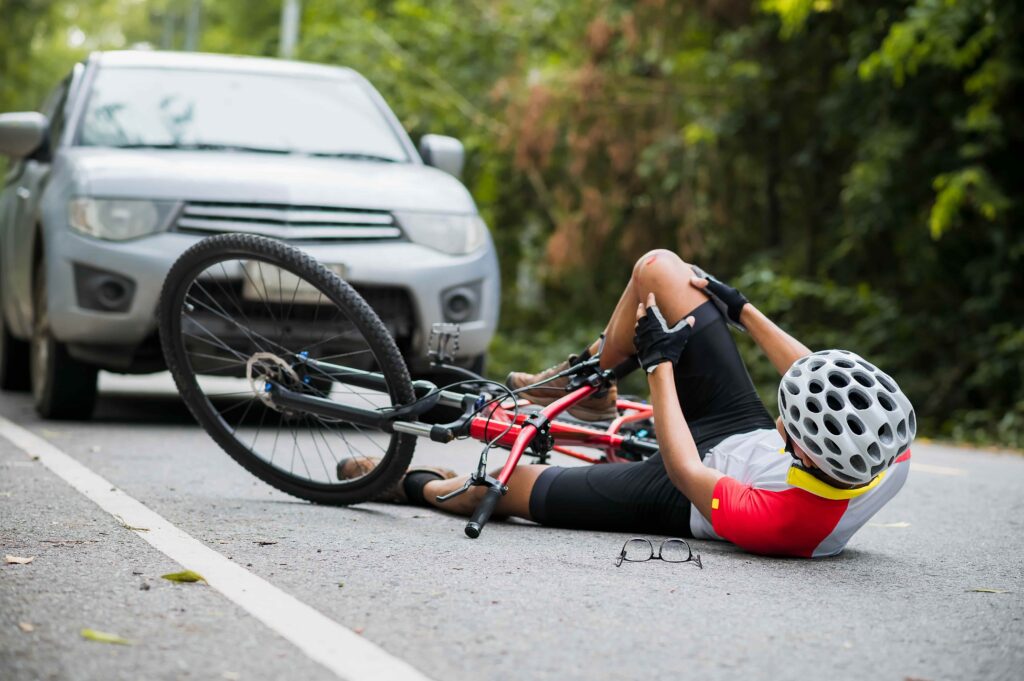
Busy streets, hills, and heavy traffic place cyclists at risk when drivers fail to share the road. San Francisco’s mix of commuters, tourists, and delivery vehicles increases the chances of sudden lane changes, door openings, or unsafe passing. Clear information about common causes, injury patterns, and high-risk locations helps injured riders make informed decisions.
Common Causes of Bicycle Accidents
Many crashes trace back to preventable driver behavior. Left turns across bike lanes often happen when drivers rush through intersections without checking mirrors. Dooring incidents occur when parked drivers swing doors open into traffic without looking. Speeding and distracted driving also play a role, especially during peak commute hours. Road defects, such as uneven pavement or construction debris, sometimes add to the danger.
High-Risk Areas for Cyclists in San Francisco
Certain locations see more bicycle traffic and higher crash rates. Market Street draws riders from across the city and demands extra care from motorists. The Embarcadero’s scenic views attract tourists unfamiliar with local traffic patterns. Golden Gate Park hosts recreational riders alongside vehicle traffic at park entrances. Each area presents unique risks that shape how accidents happen.
Types of Injuries Sustained in Bicycle Crashes
Cyclists lack the protective frame drivers enjoy, so injuries often run serious. Broken bones, head injuries, spinal trauma, and deep road rash appear frequently in crash reports. Some riders face long recovery periods or permanent limits on work and daily activities. Medical teams at facilities like Cedars-Sinai Medical Center in Los Angeles often treat cyclists referred for advanced trauma care or follow-up treatment.
What Are Your Rights as a Cyclist in California?
State law treats bicycles as vehicles in many situations, which means riders receive specific protections. Knowing these rules helps injured cyclists push back when insurers attempt to shift blame unfairly.
California Vehicle Code Protections for Bicyclists
The California Vehicle Code sets clear expectations for both drivers and cyclists. Key terms include:
- Right-of-way: The legal priority to proceed through an intersection or lane, which drivers must respect when cyclists have it.
- Bike lane: A designated portion of the roadway marked for bicycle travel, where vehicles must yield when crossing.
- Traffic control devices: Signs and signals that apply to cyclists and drivers alike, such as stop signs and traffic lights.
The Three-Foot Passing Law
Drivers must leave at least three feet of space when passing a cyclist. When road conditions prevent that distance, drivers need to slow down and wait until passing safely. Violations of this rule often support fault findings after a crash.
Right to Full Lane Use Under California Law
Cyclists may use the full lane when traveling at the speed of traffic or when safety requires it, such as avoiding debris or parked cars. Drivers who honk, tailgate, or force cyclists aside risk violating traffic laws.
Comparative Negligence in California Bicycle Cases
California follows a comparative negligence system. Courts assign percentages of fault to each party based on their actions. A cyclist who shares some responsibility may still pursue damages, with the final amount adjusted to reflect that percentage.
How Is Fault Determined in a San Francisco Bicycle Accident?

Fault decisions rely on facts, not assumptions about who belongs on the road. A careful review of evidence helps clarify what happened and why.
Evidence Used to Establish Liability
Strong claims rest on clear proof. Common evidence includes:
- Scene photos: Images of vehicle positions, damage, skid marks, and road conditions taken soon after the crash.
- Medical records: Treatment notes that connect injuries directly to the collision.
- Bicycle and vehicle damage: Physical damage patterns that show points of impact and force.
Role of Police Reports and Witness Statements
Officers often prepare collision reports that note violations, statements, and diagrams. Independent witnesses add valuable perspective, especially when drivers dispute events.
Traffic Camera and Video Footage
Video from traffic cameras, nearby businesses, or dash cams often shows the moments leading up to a crash. This footage can confirm signal phases, speed, and lane position.
Presumption of Negligence When Drivers Violate Traffic Laws
When a driver breaks a safety law, such as running a red light or failing to yield, that violation often supports a presumption of negligence. The driver then bears the burden of explaining why the violation didn’t cause the crash.
What Compensation Can You Recover After a Bicycle Accident?
Financial recovery focuses on documented losses tied to the crash. Courts and insurers look at measurable costs and the human impact of injuries.
Economic Damages Available to Injured Cyclists
Economic damages cover direct financial losses. Medical bills, rehabilitation costs, lost income, and reduced earning capacity fall into this category. Receipts, pay stubs, and expert assessments help quantify these amounts.
Non-Economic Damages for Pain and Suffering
Non-economic damages address the personal impact of injuries. Ongoing pain and suffering, reduced enjoyment of activities, and lasting physical limits factor into these claims. Recovery often requires detailed medical notes and personal accounts.
Punitive Damages in Cases of Gross Negligence
In rare cases involving reckless or malicious conduct, courts may award punitive damages. These awards aim to punish extreme behavior and discourage similar actions.
Wrongful Death Claims for Fatal Bicycle Accidents
Families who lose a loved one may pursue wrongful death claims. These actions address funeral costs, lost financial support, and the loss of companionship. Hospitals such as UCLA Medical Center in Los Angeles sometimes handle specialized care before patients return home, which becomes part of the record in fatal cases.
California’s Statute of Limitations for Bicycle Accident Claims

Most personal injury and wrongful death claims require filing within two years of the crash date. Early action preserves evidence and witness memories.
Six-Month Notice Requirement for Claims Against Government Entities
Claims involving public vehicles or unsafe road conditions tied to government agencies require notice within six months. This rule applies to city buses, municipal vehicles, and certain roadway defects.
Exceptions That May Extend Filing Deadlines
Limited exceptions exist, such as claims involving minors or delayed injury discovery. Courts apply these exceptions narrowly, so prompt legal advice matters.
What Should You Do Immediately After a Bicycle Accident?
The moments after a bicycle crash often feel disorienting, especially when injuries or shock set in. Clear, practical steps taken early help protect your health and preserve information that supports any later claim.
Seeking Medical Attention and Documenting Injuries
Your health comes first. See a medical professional as soon as possible, even when pain seems minor at first. Early care creates a medical record that links injuries to the collision and helps doctors spot issues that may not show symptoms right away. Follow-up appointments and treatment notes also show how the injury affects your daily life over time.
Reporting the Accident to Law Enforcement
Contact law enforcement and ask for an officer to respond to the scene. A police report documents the date, time, location, involved parties, and any traffic violations. That official record often carries weight when insurance companies review fault.
Gathering Evidence at the Scene
When safety allows, collect information before leaving the area. Helpful details include:
- Photos and videos: Capture vehicle positions, damage, road conditions, bike lanes, and visible injuries.
- Driver and witness information: Names, contact details, and insurance information matter later.
- Personal notes: Write down what you remember about speed, signals, and weather while details remain fresh.
Avoiding Statements to Insurance Companies
Insurance adjusters often reach out quickly and may ask for recorded statements. Keep conversations brief and factual. Avoid guessing, speculating, or minimizing injuries. Waiting to give detailed statements until after speaking with a lawyer helps prevent misunderstandings that could weaken a claim.
Taking these steps early supports both recovery and accountability, giving you a stronger position as the situation moves forward.
How Does Insurance Work in California Bicycle Accident Cases?
Insurance coverage shapes how claims move forward. Understanding the basics helps injured cyclists anticipate next steps.
Filing Claims with the At-Fault Driver’s Insurance
Most claims start with the driver’s liability policy. Adjusters review evidence and assess fault before discussing payment.
Uninsured and Underinsured Motorist Coverage
When drivers lack adequate insurance, a cyclist’s own uninsured or underinsured motorist coverage may apply. This coverage often extends to bicycle collisions under auto policies.
Your Own Auto Insurance Policy and Bicycle Accidents
Auto policies sometimes cover cyclists injured by vehicles, even when the cyclist wasn’t driving. Policy language varies, so careful review matters.
Dealing with Insurance Company Tactics
Insurers sometimes minimize injuries or question treatment length. Persistent documentation and clear medical opinions counter these tactics.
How Harris Personal Injury Lawyers Can Help

Harris Personal Injury Lawyers steps in to shoulder the legal burden while you focus on healing. Our team brings decades of experience handling serious injury claims across California.
Over the years, our attorneys have helped clients secure more than $1 billion through settlements and verdicts, achieved positive outcomes in the vast majority of personal injury matters, and earned thousands of five-star reviews that reflect consistent client satisfaction.
Investigation and Evidence Gathering
We collect records, interview witnesses, and consult with professionals to build a clear picture of fault and damages. Early investigation often preserves details that insurers overlook.
Negotiation with Insurance Companies
Our attorneys handle all communication with insurers. This approach keeps pressure off you and promotes discussions based on documented facts rather than assumptions.
Litigation and Trial Representation
When insurers or at-fault parties refuse reasonable responsibility, our firm prepares cases for court. Thorough preparation signals readiness and often influences negotiations.
Maximizing Your Compensation
We focus on documenting the full scope of losses tied to the crash. Careful analysis of medical needs, income effects, and long-term limitations supports fair valuation without promising specific outcomes.
Frequently Asked Questions About San Francisco Bicycle Accident Claims
Can I still recover compensation if I wasn’t wearing a helmet?
Yes. California law doesn’t bar recovery for lack of a helmet. Insurers may argue about injury severity, but helmet use alone doesn’t decide fault.
What if the driver who hit me left the scene?
Hit-and-run crashes still allow claims through uninsured motorist coverage or other available policies. Police reports and witness accounts play a major role in these cases.
How long does a bicycle accident case typically take?
Timelines vary based on injury severity, evidence, and insurer cooperation. Some cases resolve through settlements relatively quickly, while others take longer when disputes arise.
Do I need to hire a lawyer for a bicycle accident claim?
Legal representation helps protect your interests, especially when injuries involve long recovery or disputed fault. Lawyers handle evidence, deadlines, and insurer communication.
What if I was partially at fault for the accident?
Comparative negligence allows recovery even when a cyclist shares some responsibility. The final amount reflects each party’s percentage of fault.
Contact Our Bicycle Accident Attorneys in San Francisco Now
Time limits and evidence concerns make prompt action important after a bicycle crash. Harris Personal Injury Lawyers offers focused advocacy, proven results, and a client-first approach rooted in clear communication.Anyone injured or grieving after a bicycle accident caused by another party can reach out to our team for a free consultation and learn how we can help move the claim forward with care and determination.